Sri Lanka Embassy brings the Tradition of Ceylon Tea to Moscow's Lovers of World Literature
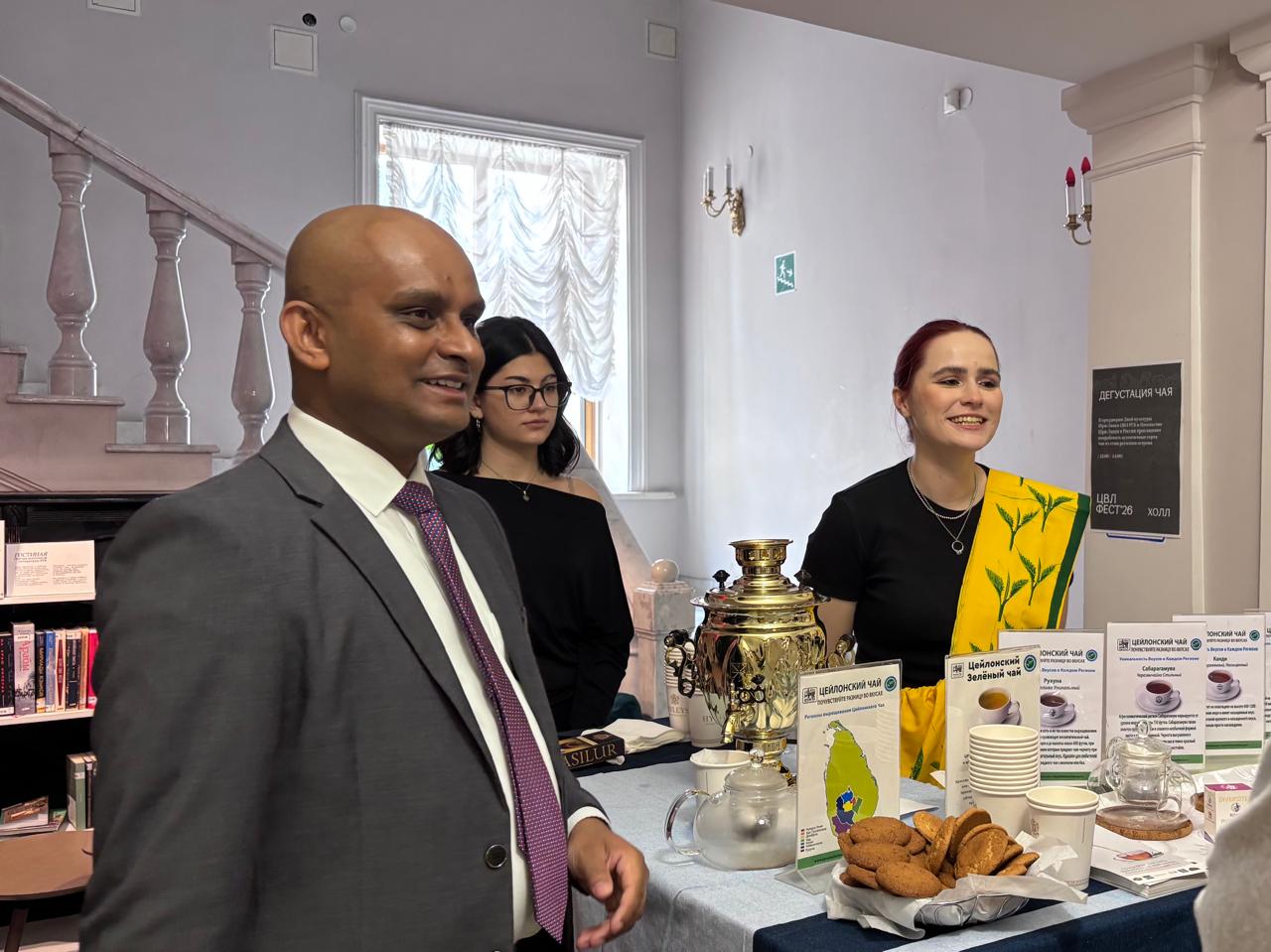
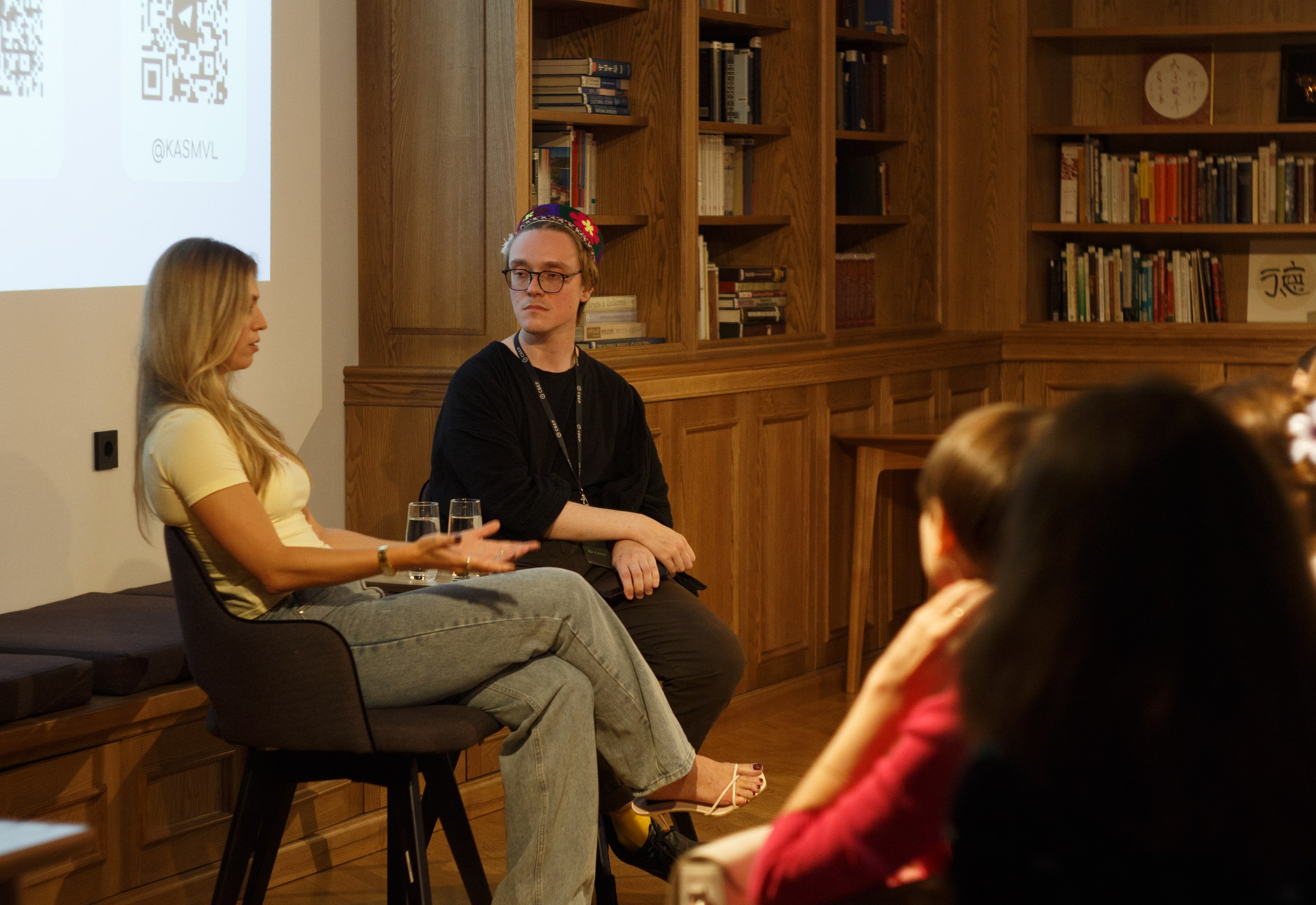
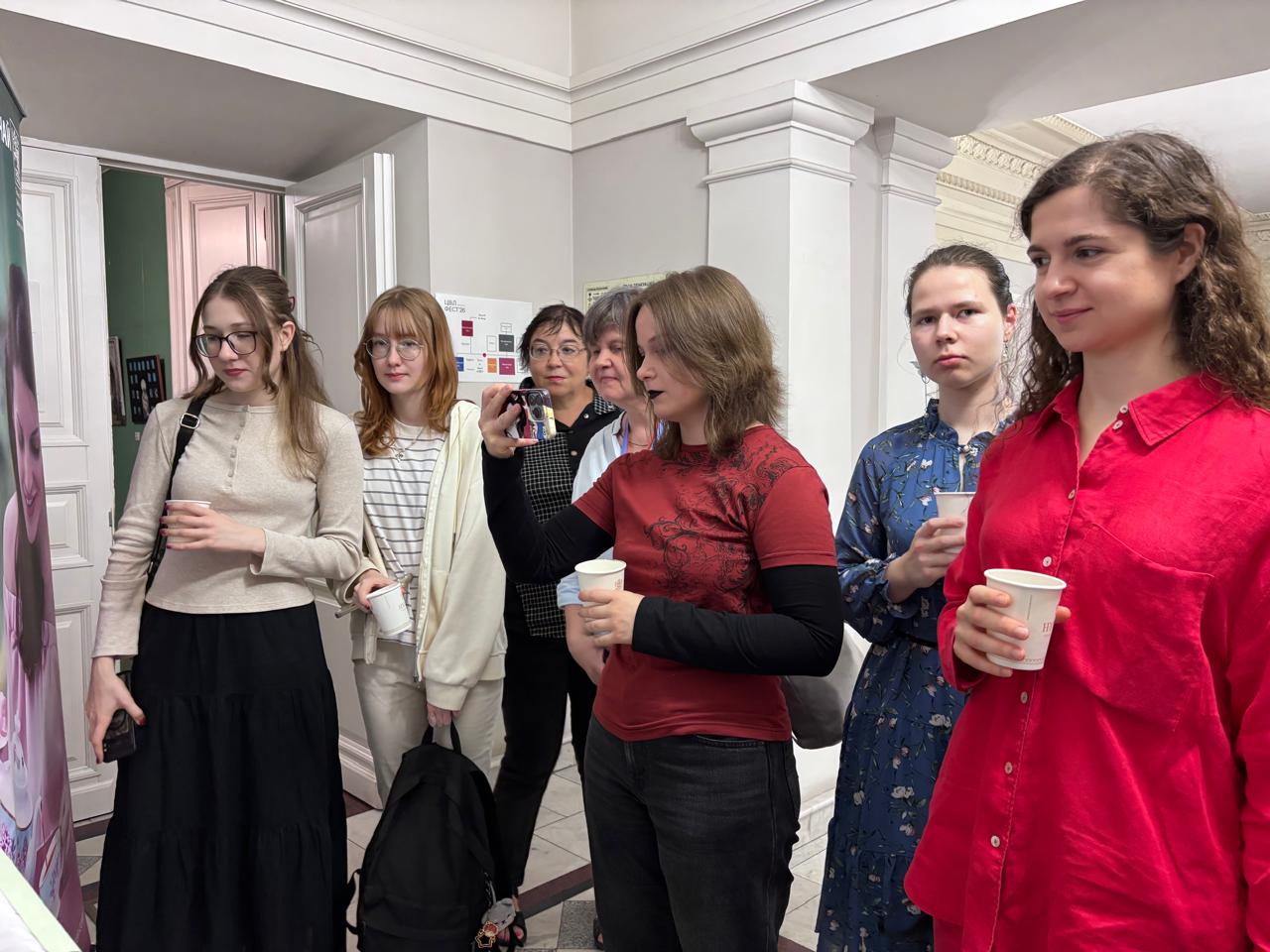
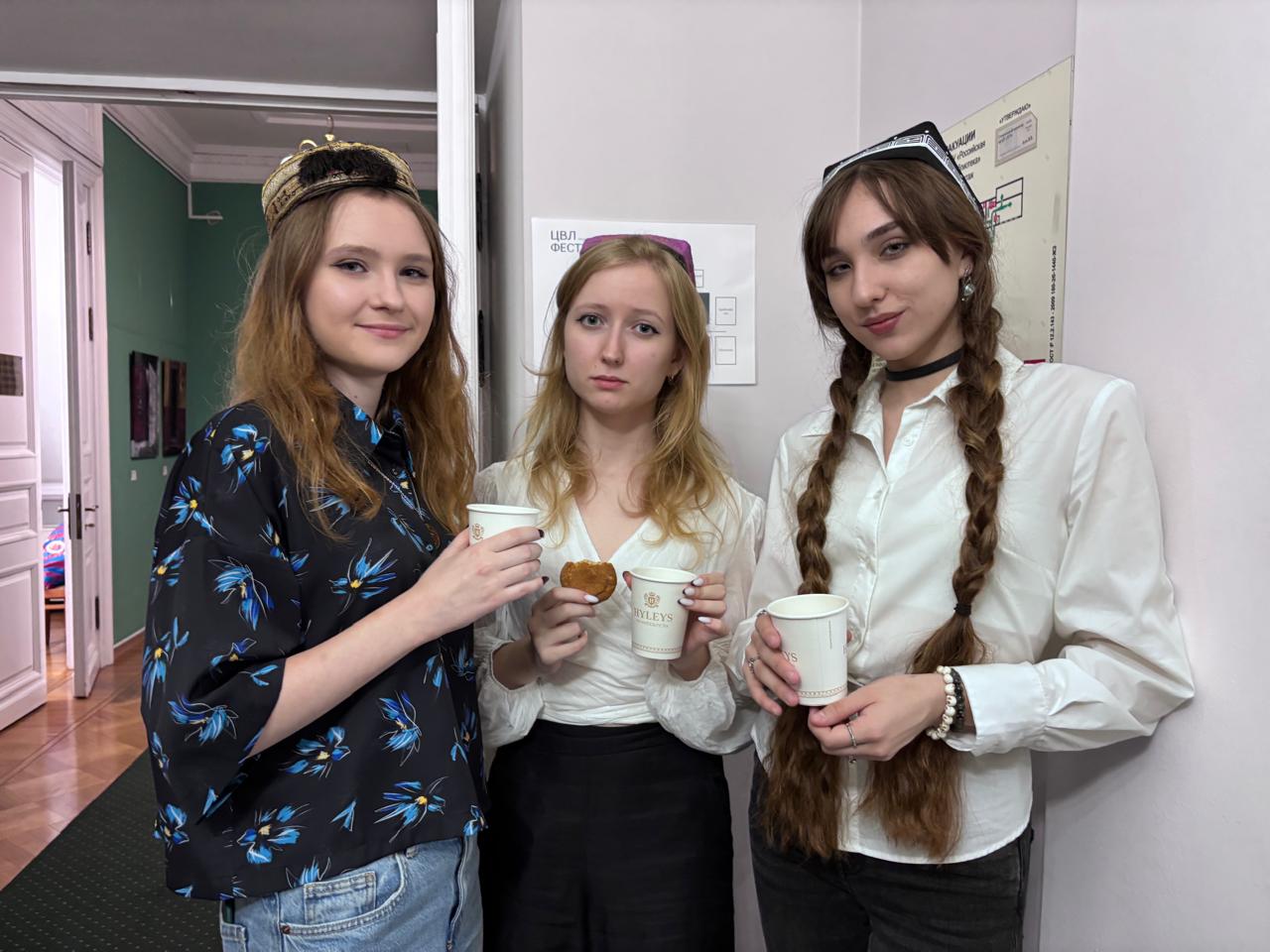
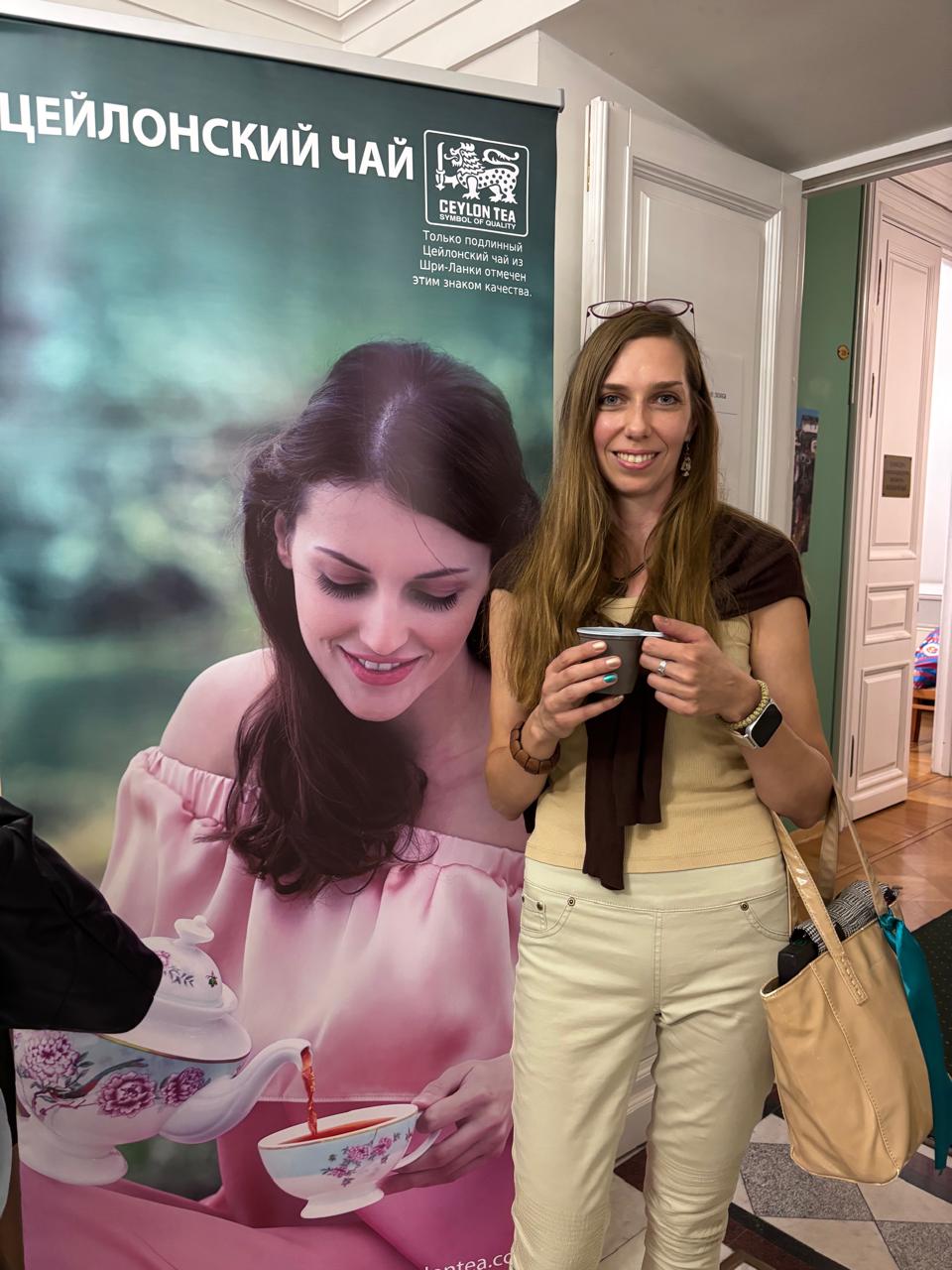
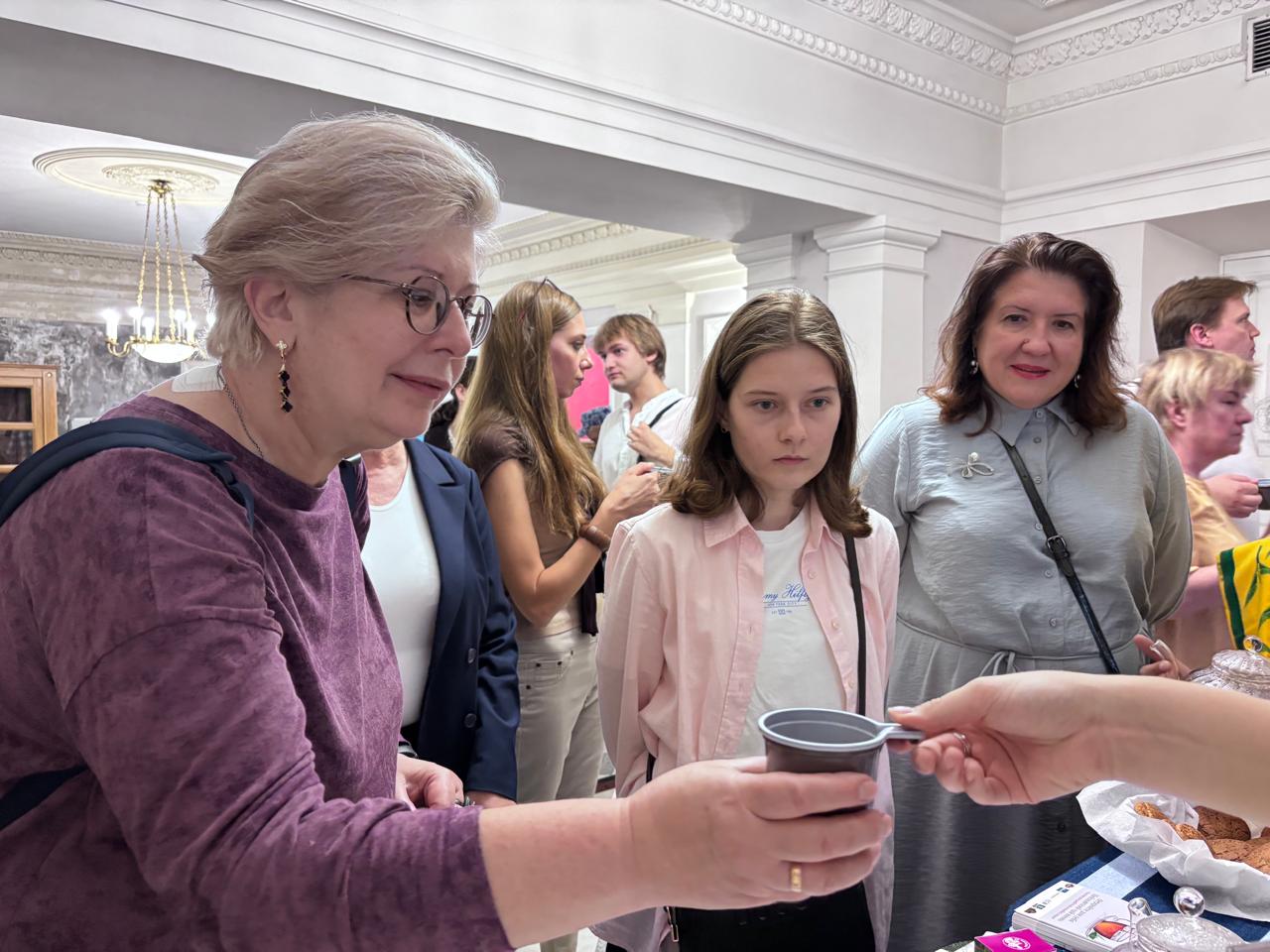
The Embassy of Sri Lanka in the Russian Federation, in collaboration with the State Library of Moscow, organized a unique Ceylon Tea Tasting and Demonstration Session on the sidelines of “Eastern Culture Festival” bringing together more than 200 Russian literature lovers for an immersive cultural experience that combined the world of books with the rich heritage of Ceylon Tea.
The event offered participants an opportunity to discover the distinctive flavours, aromas, and colours of authentic Ceylon Tea while exploring the deep connections between tea and Russian literary tradition. The programme highlighted how a simple cup of tea has occupied a cherished place in Russian culture and literature for centuries.
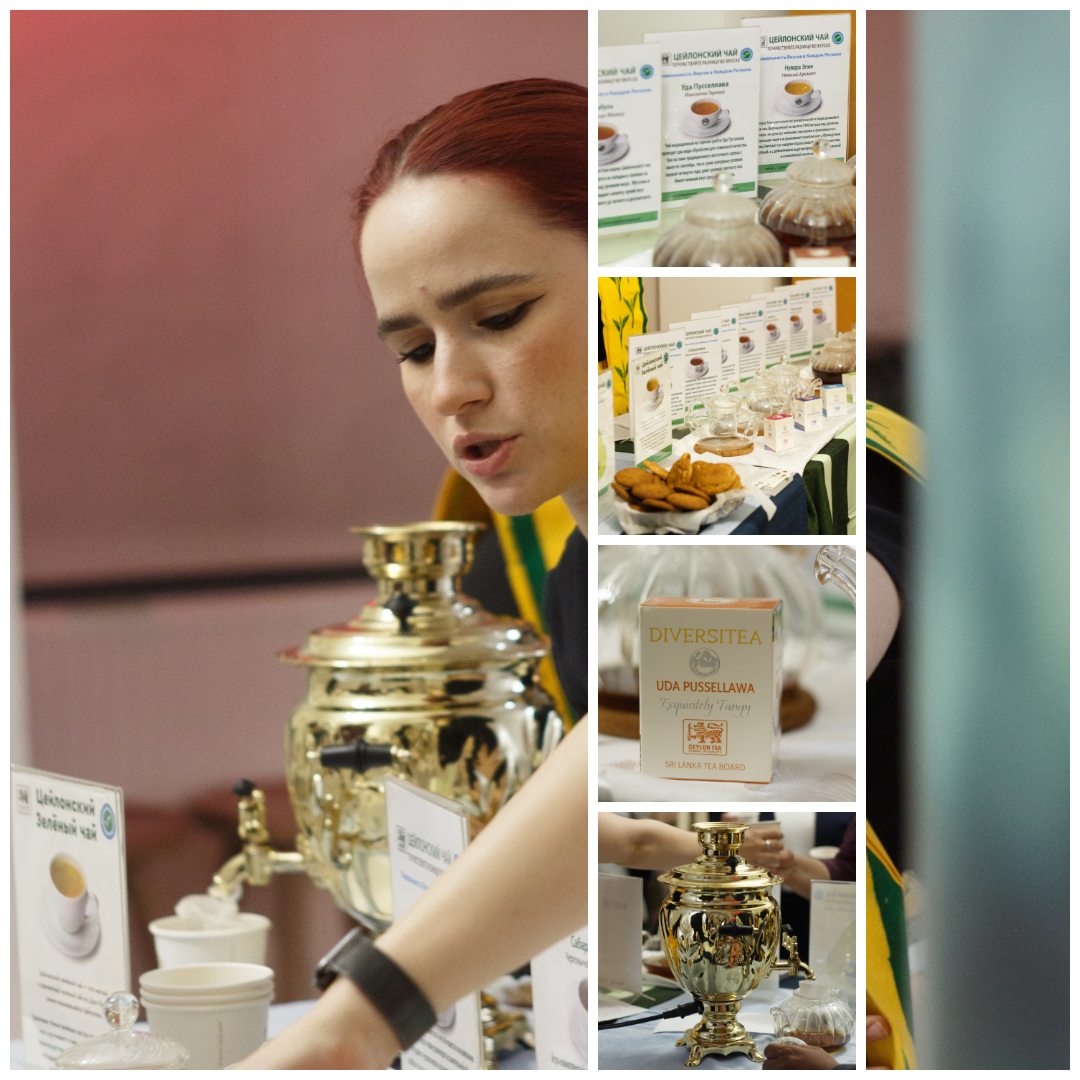
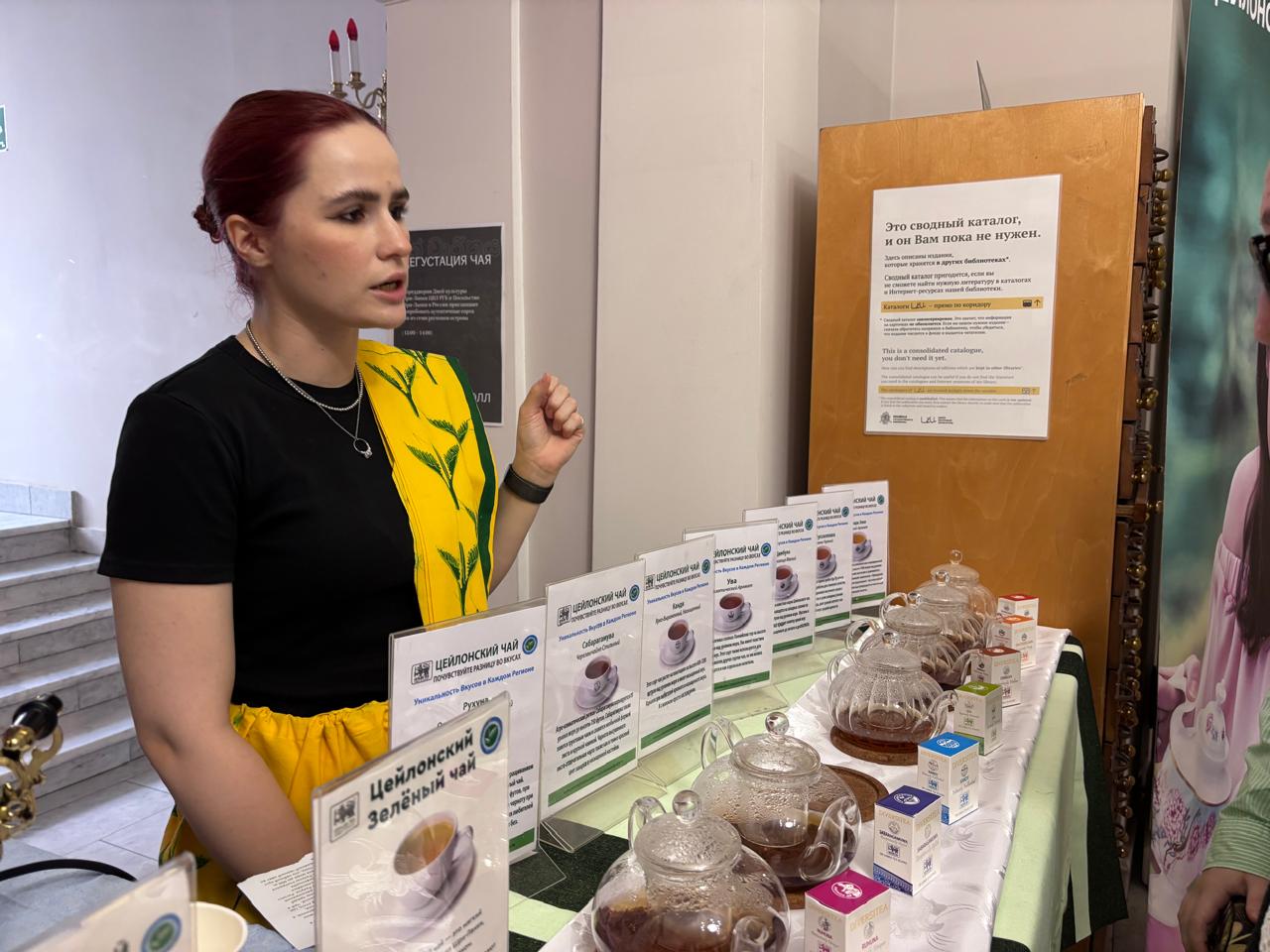
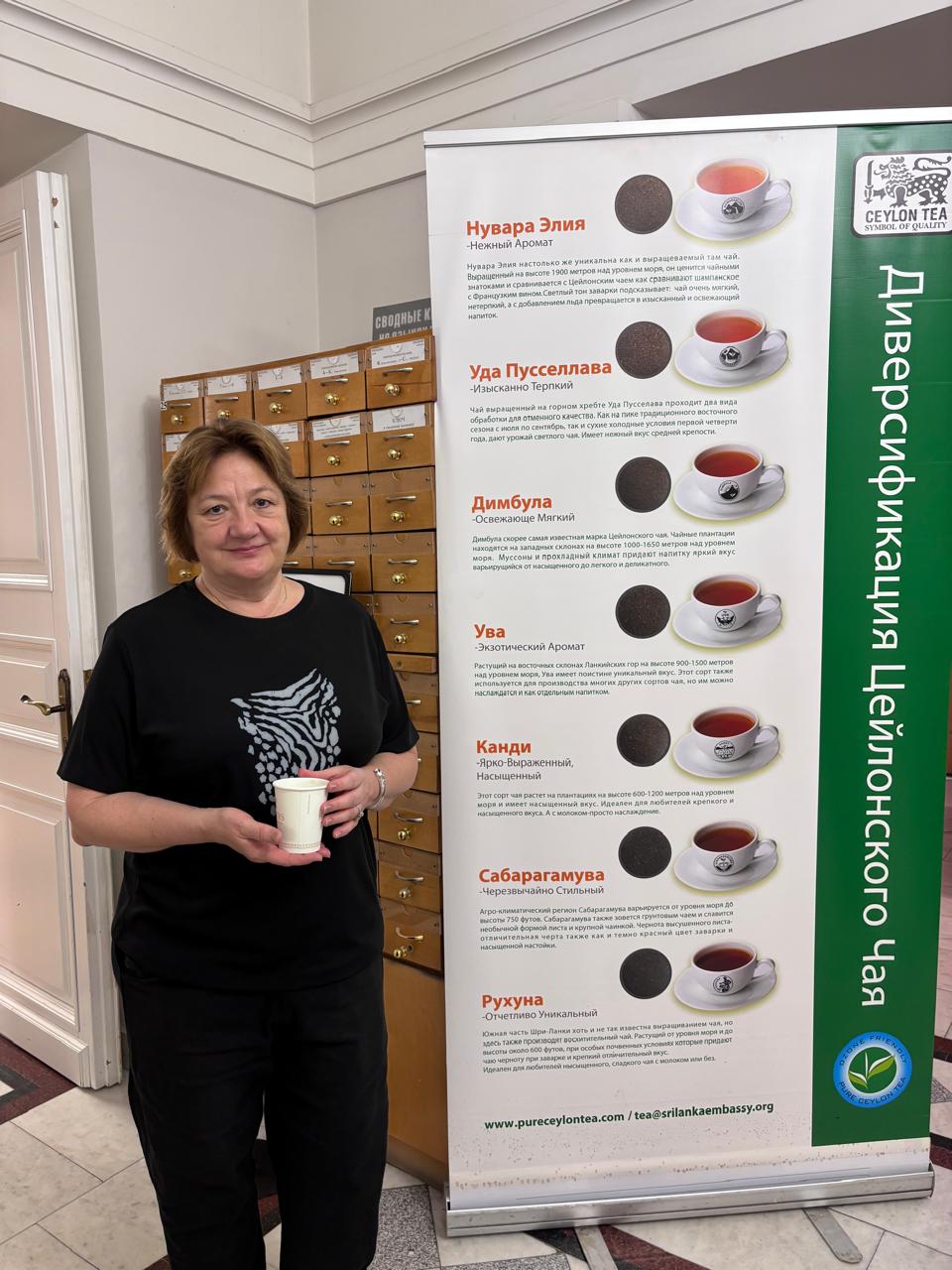
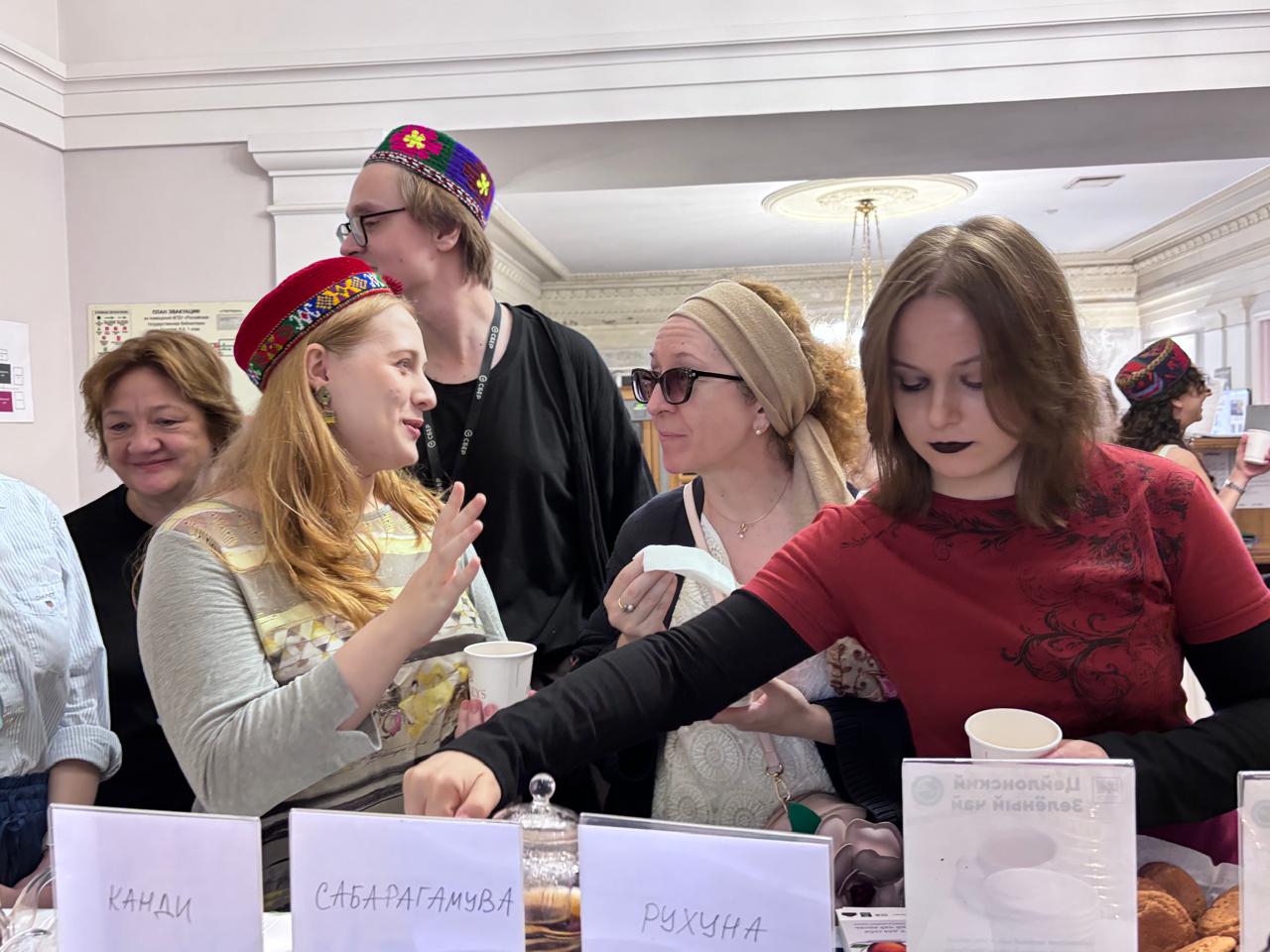
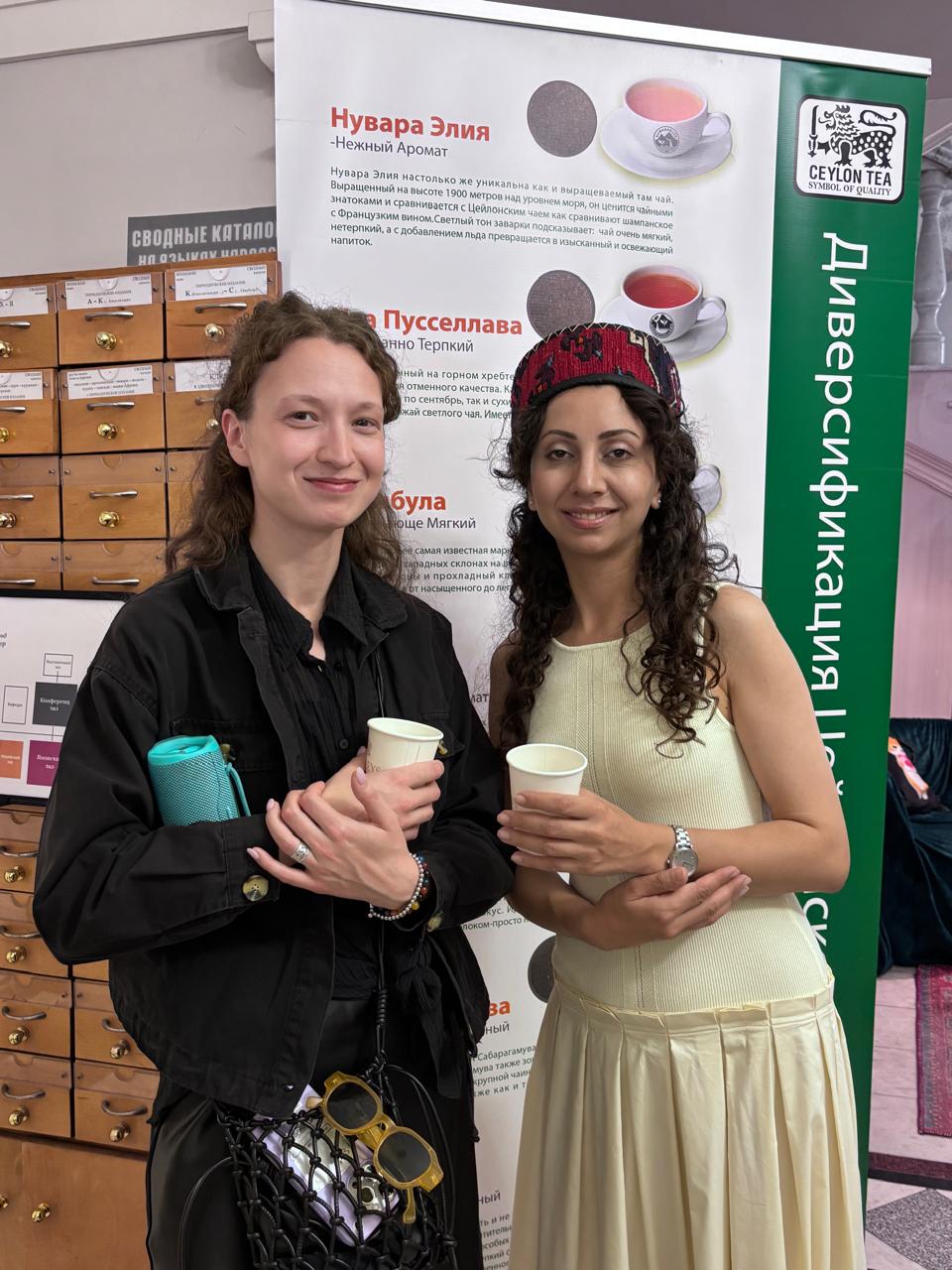
The Commercial Section of the Embassy conducted an engaging demonstration featuring teas from Sri Lanka's seven renowned tea-growing regions, Nuwara Eliya, Uva, Dimbula, Kandy, Ruhuna, Sabaragamuwa, and Uda Pussellawa. Participants learned about the unique characteristics of each regional tea, including their colour, aroma, flavour profiles, and the ideal varieties for refreshing morning tea and soothing evening tea.
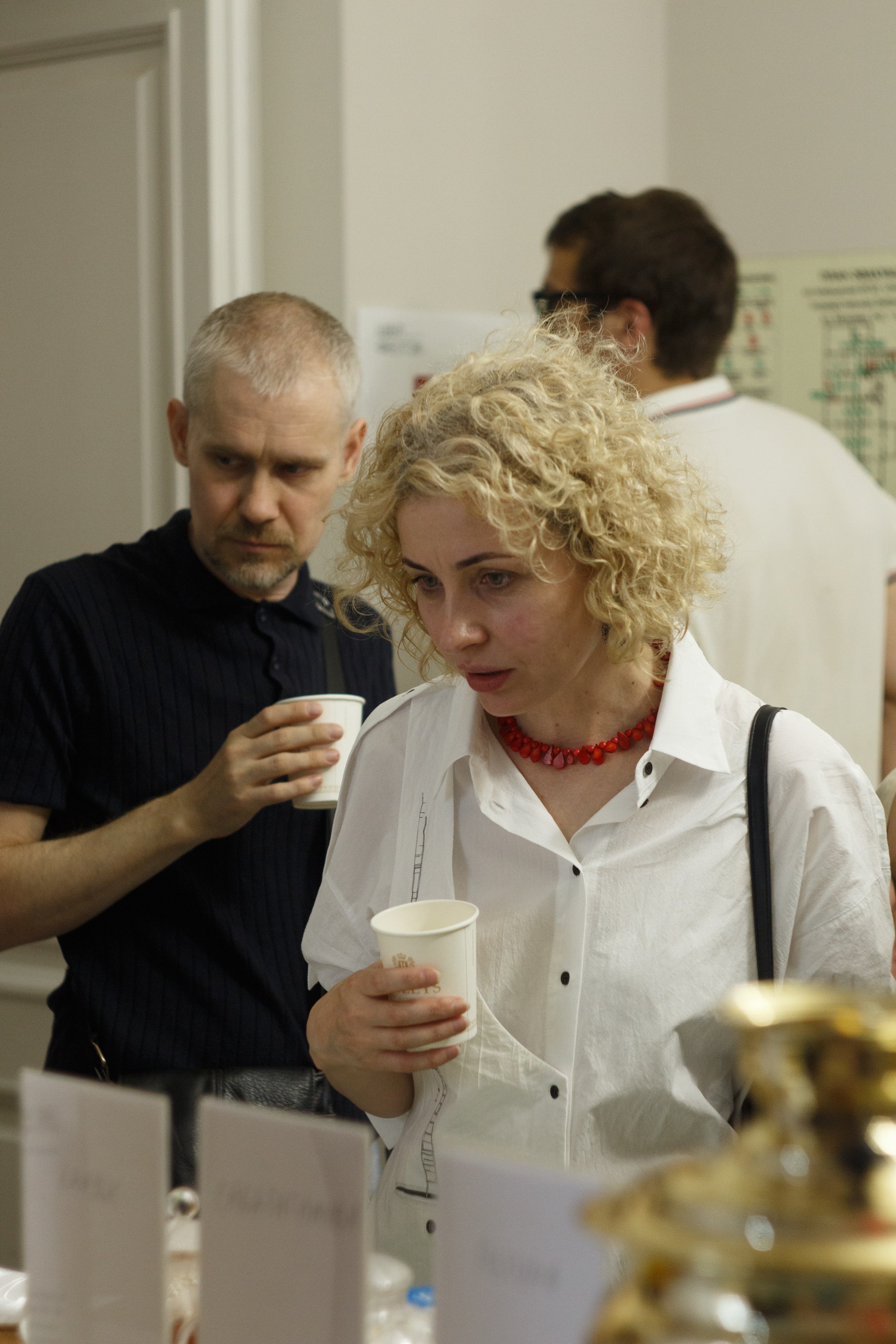
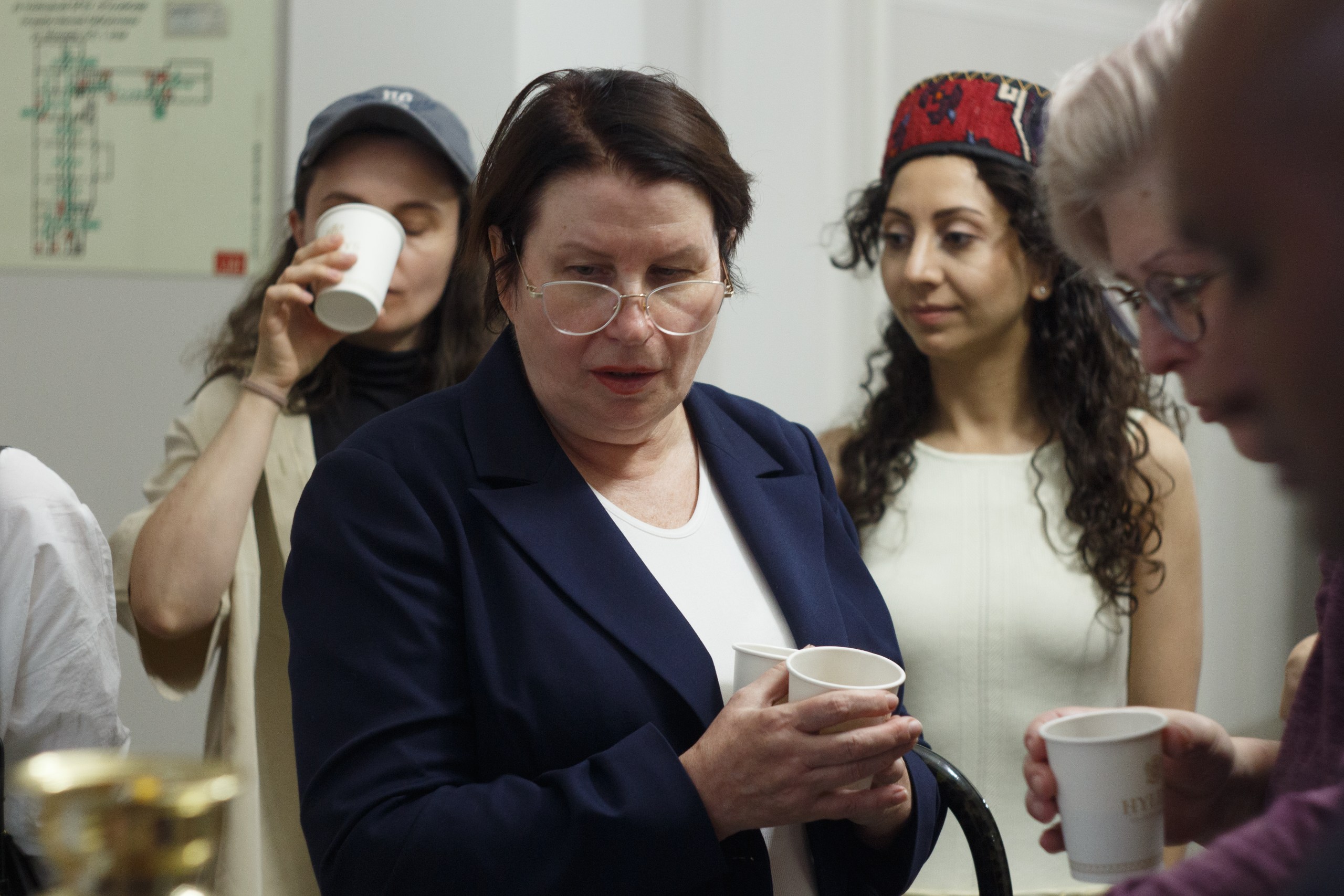
During the session, visitors tasted a selection of premium Ceylon teas and gained an appreciation of the craftsmanship and diversity that have made Sri Lanka one of the world's leading tea-producing nations.
The programme also explored the historical relationship between Ceylon Tea and Russia. During the era of the Russian Empire and later throughout the Soviet period, Ceylon Tea was regarded as an exotic symbol of foreign culture. It gradually became a familiar and much loved beverage in Russian households, earning a special place in everyday life.
Literary works in Russian history highlight how many celebrated Russian writers including Alexander Pushkin, Anton Chekhov, Leo Tolstoy, Fyodor Dostoevsky, Ivan Turgenev, Nikolai Gogol, and Boris Pasternak used references to tea, the samovar, and the tea table in their works. In Russian literature, a cup of tea often symbolizes memory, hospitality, social status, family life, contemplation, and the innermost feelings of characters. These literary references offer literature lovers a fresh perspective on the cultural significance of tea in Russian society.
During the demonstration, it was noted that Ceylon Tea is not only one of Sri Lanka's finest exports but also an enduring bridge connecting the people and cultures of Sri Lanka and Russia. The event validated how literature and tea can together create meaningful cultural dialogue and deepen people-to-people ties between the two countries.
The Embassy expressed its appreciation to the State Library of Moscow for its partnership in organizing this successful cultural programme and reaffirmed its commitment to promoting Sri Lankan culture, heritage, and world famous Ceylon Tea among the Russian public through innovative public diplomacy initiatives.